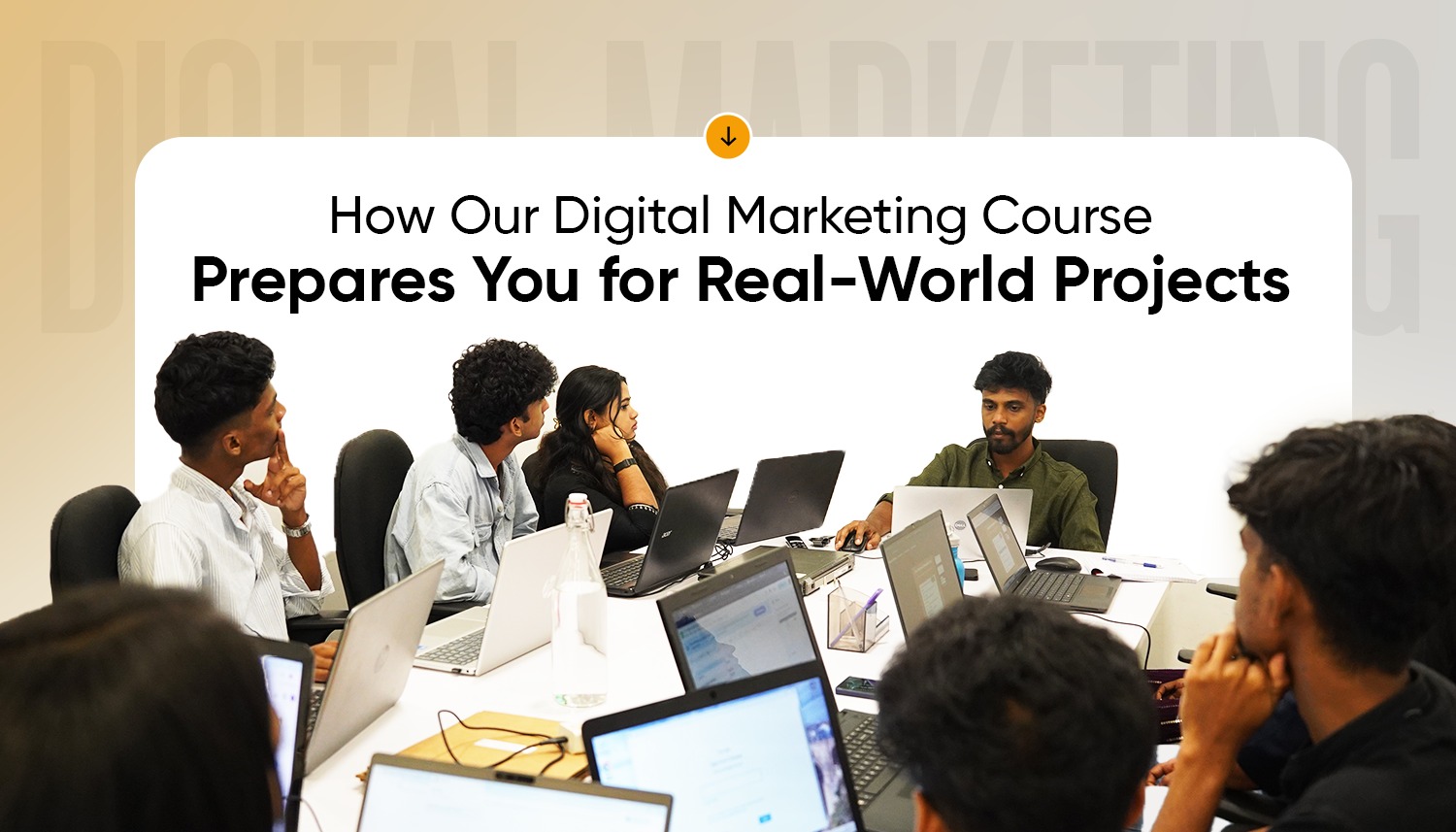
Most of the abilities that make you a good digital marketer are acquired in the real world.
Class provides you with a structure and a foundation. The work you undertake in between classes is what really makes the difference in your rate of growth.
In this article, we will explore ways to develop your digital marketing skills at home, along with specific tools, platforms, and habits that make a real difference.
| Quick Summary: The best way to develop your digital marketing prowess beyond the classroom is to work on real projects, read industry news every day, and get free certifications from places such as Google and HubSpot. Consistency is more important than intensity. |
Digital marketing is an actual skill. It helps to be familiar with the theory. The only way to develop real skills is to use them.
A small Instagrammer, a small Google Ads test account with a small budget, a small blog, and a small budget to ‘rank’ it on Google, a student learns things that are not possible to learn from a textbook. Their eye is on the prize. They make mistakes. They work out the explanation.
Digital marketing, search engine optimisation and data analytics are among the most in-demand skills in the world, according to the World Economic Forum’s Future of Jobs Report.
Here’s how you can enhance your digital marketing abilities without the help of others.
Google Skillshop is an online platform that provides free courses and certifications from Google. The most useful ones for beginners are Google Analytics 4, Google Ads Search, and the Fundamentals of Digital Marketing course.
These are not simply “credentials. Courses are well-structured and practical. By completing them, you will gain an understanding of tools commonly used on a daily basis by real employers. It also informs a hiring manager or client that you have done the job.
Other free certifications at HubSpot Academy include content marketing, email marketing, and social media.
Start a blog. Create an Instagram account for a subject you are familiar with. Create a simple website for an imaginary business. Does not require polishing.
The idea is to have something substantial to work on. Write the content. Carry out keyword research. Set up Google Analytics. Try to get traffic. Try, and if it doesn’t work out, correct it and repeat. That cycle is where real learning happens.
Students who do this during their course at a digital marketing institute in Kochi, like InterSmart EduTech, consistently move faster than those who only study. They arrive at class with actual questions, real data, and genuine context.
There’s a lot of digital marketing content online. Most of it is generic. A smaller amount is genuinely useful.
These are worth following consistently:
Every ad you scroll past is a learning opportunity. Ask yourself, who is this targeting? What’s the offer? What action does it want me to take? Is the landing page consistent with the ad?
Do the same with emails you receive, websites you visit, and search results you see. Notice what’s well done. Notice what’s off. This habit builds a practical eye that classroom hours alone don’t develop.
Screenshot ads and landing pages that stand out. Keep a folder of examples, both good and weak. Over time, it becomes a personal reference you’ll actually use.
You don’t need paid subscriptions to learn the core tools. These free options give you real experience:
Digital marketing is constantly evolving. Google’s search engine algorithm changes several times per year. Social platforms will frequently alter their ad formats and targeting. Methods that were successful in the past may not be effective this year.
Establish a basic mechanism for information. Subscribe to Google’s Search Central Blog for SEO updates. Check the ad policy, as it changes on the platform newsrooms. Read industry newsletters, such as Search Engine Land’s daily roundup.
Keeping up is a part of the task. When the students develop this habit during the training, they get ahead of those who begin paying attention only after being hired.
Waiting until they feel ready to start practising.
Readiness comes from doing, not from more studying. You’ll learn GA4 faster by setting it up on a real site than by watching ten more videos about it. You’ll understand SEO better by actually doing keyword research for a topic you care about than by reading another guide.
Start before you feel confident. That feeling of working through uncertainty is exactly where the real skill gets built.
InterSmart EduTech is a well-known digital marketing training centre in Kerala. From the first day, the course focuses on doing, not only listening. Learners use live tools, work with real numbers, and complete actual tasks. It is more than slides and general notes.
Lessons cover planning, practical tools, and day to day execution. At the same time, the team pushes students to keep working between classes. Support is easy to reach. Group learning is part of the plan. The lessons also match what hiring teams and client work usually require.
Based in Kochi, InterSmart EduTech has trained a large number of students. Many started as beginners and moved into job roles. A big reason is the steady practice routine formed during the programme. That habit helps after the course ends too.
If you want a digital marketing career, pick an institute that keeps you on track. What you do after class matters as much as what happens in class. Get in touch with InterSmart EduTech.